Tirzepatide
Tirzepatide and the digestive tract
The gut supplies the hormone signals behind tirzepatide. It also accounts for much of the trouble recorded during treatment.
GIP, GLP-1 and slower digestion
Tirzepatide activates receptors for GIP and GLP-1, hormones released around meals. Together their actions help insulin release respond to rising glucose, suppress glucagon and reduce appetite. The clinical reference chapter on tirzepatide describes the dual action and its pharmacology. A fatty part of the engineered peptide helps it attach to blood protein and last longer.
Slower stomach emptying has consequences beyond feeling full. It can affect how oral medicines are absorbed. Insulin or some diabetes medicines can also increase the risk of low blood sugar when combined with tirzepatide. These are practical reasons for an individual medication review.
I give digestion such prominence because the gut does several jobs at once: it helps provide the hormone signals, changes the timing of a meal’s passage and bears many adverse effects. The striking weight figures can make all that activity disappear into a single number.
Treatment comparisons
SURMOUNT-1 studied 2,539 adults without diabetes who had obesity, or overweight with a weight-related complication. At 72 weeks the tirzepatide groups had mean weight changes from −15.0% to −20.9%, versus −3.1% with placebo. Digestive adverse effects were the most common, were mostly mild to moderate and occurred chiefly while the tested amounts increased.
SURPASS-2 compared treatments in 1,879 people with type 2 diabetes over 40 weeks. Tirzepatide produced larger reductions in average glucose and body weight than semaglutide at the amounts tested. HbA1c, the glucose measure used there, reflects blood sugar over time.
The later SURMOUNT-5 trial enrolled 751 adults with obesity without type 2 diabetes. At 72 weeks, mean weight change was −20.2% with tirzepatide versus −13.7% with semaglutide. That direct comparison convinces me on its weight question. For kidney failure or cardiovascular events, the relevant answer has to come from trials counting those events.
Gallbladder and biliary disease
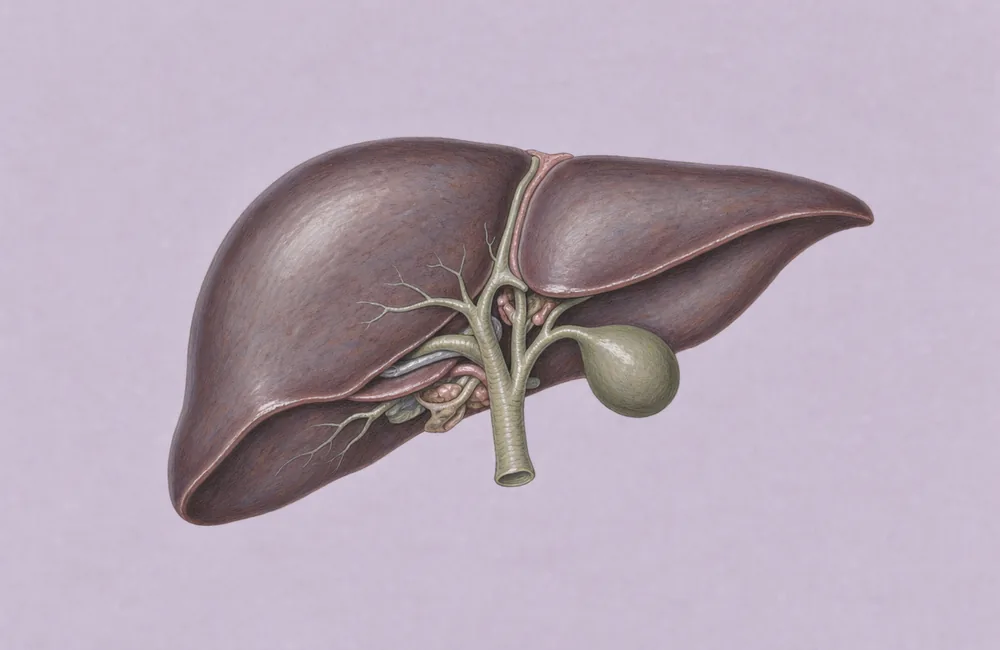
A safety analysis pooled nine trials involving 9,871 people. It found an increase in the composite of gallbladder or biliary disease with tirzepatide versus controls. Biliary refers to the system carrying bile, the digestive fluid made in the liver. Having either kind of event put a participant into the combined count.
The individual outcomes did not each show a statistically significant increase, and the analysis found no statistically significant increase in pancreatitis. Those distinctions matter. I’d preserve the combined finding exactly as the researchers reported it, rather than turn it into a claim that every separate disorder increased.
Persistent vomiting or diarrhea can also deplete fluid. The label carries a thyroid C-cell tumor warning based on rodent findings; the corresponding human risk remains uncertain. A personal or family history of medullary thyroid carcinoma or MEN-2 is a contraindication. Lean-tissue loss and weight regain after stopping treatment add longer-term concerns.
Approval and anecdotes
Community reports describe reduced appetite, less preoccupation with food, taste changes, constipation, nausea and burping. Other people describe changes in energy, sleep or mood. These are anecdotal accounts rather than clinical evidence; they cannot establish the cause of a change or the chance of experiencing it.
I’d give those descriptions of food becoming less insistent substantial space: they concern the texture of daily life. The clinical comparisons above supply the firmer conclusions about weight and glucose. Each source of information has its own limits.
Prescription tirzepatide has FDA-approved uses, including type 2 diabetes and weight management. Approval attaches to the particular manufactured product and its approved indications. Compounded medicine and research material have a different regulatory status. Treatment choice, changes to other medicines and questions about adverse effects require personal medical care.